
How Heat, Rain, Wind, and Humidity Can Change the Life of Your Paint Job
Weather has a big effect on any outside paint job. Heat can dry paint too fast. Rain can wash it off before it cures. Wind can blow dirt into wet paint. High humidity can trap moisture under the surface. That is why exterior painting services should be planned around the forecast, the season, and the condition of the home in Visalia, CA. A good weather window helps paint stick better, dry the right way, and last longer.
Quick Diagnosis Summary
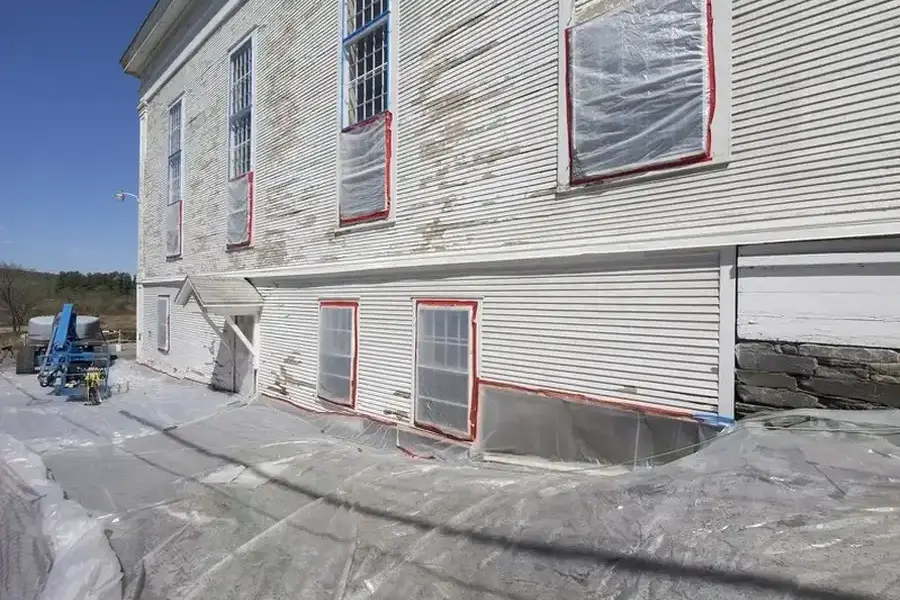
If a fresh coat of paint peels, bubbles, cracks, or looks uneven, weather is often part of the problem. Many people think bad paint is always caused by poor products. Sometimes that is true. But in many cases, the real issue is that the surface was too hot, too cold, too damp, or exposed to rain too soon. This applies to exterior painting services and even small touch-up work in the broader service category keyword area.
Common Symptoms
Weather-related paint trouble can show up fast or take months to appear. A wall may look fine on day one and start failing later. That is why it helps to know the warning signs.
- Paint peeling off in strips or flakes
- Blistering or bubbling on siding or trim
- Streaks, runs, or patchy color
- Rough spots from dust and debris
- Cracking after a short time
- Mildew or moisture marks under the coating
These issues can happen on wood, brick, fiber cement, stucco, and metal. They can also affect primers, sealers, and top coats in different ways.
Likely Causes
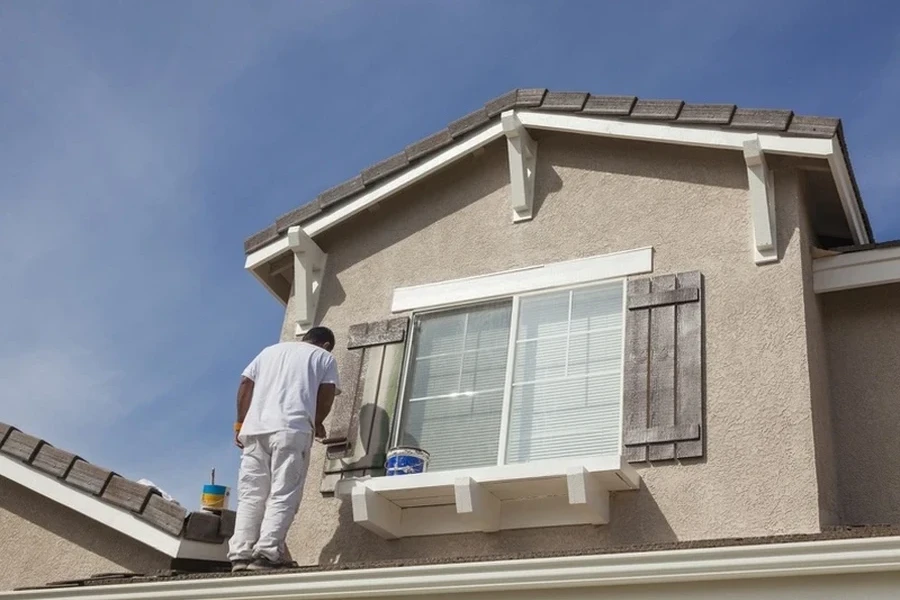
Each weather condition creates its own set of problems. Hot sun can make paint skin over before it bonds well. Cold air can slow curing. Moisture can block adhesion. Wind can spread pollen, dirt, and leaves right into the finish.
Rain is one of the biggest concerns. If the surface is not fully dry before painting, water may stay trapped below the coating. If rain hits too soon after application, the finish may streak or wash away. Morning dew can also be a problem, even when there is no rain in the forecast.
Humidity matters too. Paint needs time to dry and cure. In humid air, that process slows down. When drying takes too long, the coating may stay soft, pick up dirt, or fail to bond well. This is one reason experienced crews watch not just the daily high temperature, but also shade, CLOUD cover, overnight lows, and moisture in the air.
What to Check First
Before any project starts, a few simple checks can help prevent trouble. These checks matter for full repaints and smaller repair jobs alike.
- Check the forecast for the next few days, not just one day.
- Look at temperature highs and lows.
- Check humidity levels and chance of morning dew.
- Feel the surface. It should be dry and not too hot.
- Look for shade patterns on the house.
- Inspect for old peeling paint, mildew, or soft wood.
Surface temperature is a big deal. A wall in direct sun can be much hotter than the air. Paint that works at 75 degrees in the shade may act very differently on a sun-baked wall. That is why painters often move around the home during the day instead of painting every side at once.
Safe Fixes Vs Pro-Level Fixes
Some weather-related issues have simple fixes. Others need more than a quick patch. If you see dirt on wet paint, a light cleanup and repaint may help. If a small area got touched by early dew, sanding and recoating might solve it. If mildew is on the surface, it needs proper cleaning before new paint goes on.
More serious problems need deeper repair. Peeling across large areas often means the old coating failed due to trapped moisture or poor bonding. Bubbling can point to heat, damp siding, or hidden water entry. In those cases, scraping alone may not be enough. The surface may need washing, drying time, caulk repair, spot priming, and a full repaint.
Professional crews also use product data sheets to match the paint to the real weather conditions. Some coatings handle cooler temperatures better. Others are made for stronger sun exposure. Picking the right product helps, but only if it is applied at the right time.
Prevention Tips
The best way to avoid problems is to plan around the weather, not fight it. Good prep and timing can save money, cut delays, and help the finish last.
- Paint during stable weather when possible
- Avoid painting right before rain
- Do not start on damp siding
- Watch shaded and sunny sides separately
- Use the right primer for the surface
- Clean off chalk, dirt, and mildew first
- Leave enough drying time between coats
- Check windows, trim, and caulk for moisture entry
Season also plays a role. Spring can bring rain and pollen. Summer can bring harsh sun and fast drying. Fall often offers milder days, but colder nights can slow curing. The best timing depends on the home, the materials, and local weather patterns.
Final Recommendation
Weather is not a small detail in exterior painting services. It affects prep, product choice, dry time, finish quality, and how long the paint lasts. If you want a paint job that looks good and holds up, it helps to schedule work during a safe weather window and fix any moisture issues before the first coat goes on. If you are planning work in Visalia, CA, reach out to us at (559) 223-9824. At Delight Painting, we can inspect the surfaces, explain what the forecast means for your project, and help you choose the right time to paint.