
How to Get a Smooth, Clean Surface Before Decorative Painting
Preparing walls for a professional faux finish starts with cleaning the surface, fixing damage, sanding rough spots, and using the right primer. If the wall is dusty, greasy, cracked, or uneven, the final decorative look will not turn out well. Good prep helps the paint stick, keeps the texture even, and gives the wall a clean, polished look.
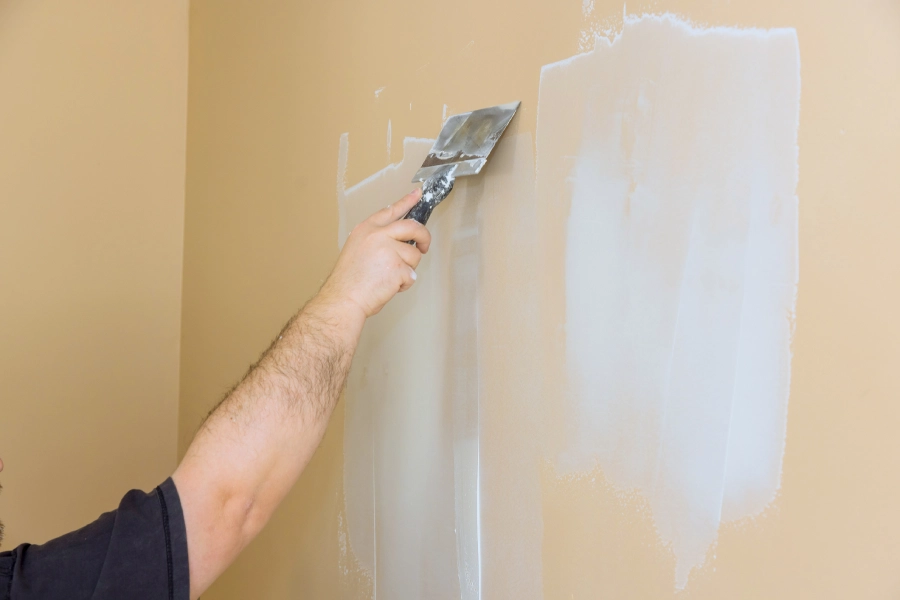
What You Need Before Starting
Before you begin, gather your tools and check the wall in full light. Small dents and old paint lines can show through a faux finish, so a quick check saves time later. The better the prep, the better the final result. This also applies to any related surface work in your service category.
- Drop cloths
- Painter’s tape
- Mild soap and water
- Sponges and clean rags
- Putty knife
- Spackle or patching compound
- Caulk for small gaps
- Sandpaper or sanding sponge
- Primer made for your wall surface
- Roller, tray, and brush
- Good lighting
If the room has old smoke, grease, or water marks, plan for extra cleaning and stain-blocking primer. Skipping that step can cause blotches later.
Step-by-Step Process
A professional-looking faux finish depends on a steady prep process. Work in order and let each step dry fully before moving on.
- Move furniture away from the walls and cover floors.
- Remove nails, hooks, switch plates, and outlet covers.
- Dust the walls from top to bottom.
- Wash dirty areas with mild soap and water, then let them dry.
- Fill nail holes, dents, and small cracks with patching compound.
- Caulk thin gaps around trim if needed.
- Sand patched spots until they feel smooth.
- Feather rough paint edges so they do not show through.
- Wipe away sanding dust with a damp cloth.
- Spot-prime repaired areas, or prime the full wall if needed.
- Check the wall again in side light for flaws.
- Apply a solid base coat before starting the faux finish technique.
Many faux finish styles use glaze, layering, dragging, sponging, or ragging. All of them look better on a wall that feels even and clean. If one patch is rough, your eye may go right to it after the finish is done.

Common Mistakes to Avoid
Many wall problems happen during prep, not during painting. A rushed start often leads to extra work later.
- Painting over dust or grease
- Skipping patch repairs
- Not sanding enough
- Using the wrong primer
- Leaving glossy paint unsanded
- Forgetting to test the base coat color
- Starting the faux finish before the primer dries
Another common mistake is fixing only large damage and ignoring small flaws. Tiny holes, tape lines, and patch ridges can stand out once light hits the wall. Faux finish techniques often add depth, so they can also make wall defects easier to see.
When Wall Condition Needs Extra Care
Some walls need more than basic prep. Older homes may have many paint layers, patched areas, or uneven texture. Kitchens, bathrooms, and hallways often have oils, hand marks, or moisture issues. In these cases, a simple wash and prime may not be enough.
If the wall has peeling paint, signs of water damage, soft drywall, or large cracks, stop and fix the root problem first. A faux finish should go on a stable surface. It should not cover active damage. If the wall is textured but you want a smoother decorative finish, skim coating may be needed before painting.
When to Call a Professional
Some prep jobs are simple, but others take skill and patience. It may help to call a professional if the walls have major repairs, uneven texture, water stains, old wallpaper glue, or layers of damaged paint. A pro can also help when you want a high-end faux finish in a dining room, entryway, bedroom, or business space.
Professional prep can save time and help avoid patch marks, flashing, and uneven sheen. It also helps when matching a custom decorative style. If you want the finish to look soft, balanced, and clean, prep quality matters just as much as the paint technique itself.
Final Recommendation
For homeowners in Visalia, CA, clean walls, smooth repairs, and the right primer can make a big difference before any decorative paint project begins. If you’d like help with wall prep or a custom faux finish, contact Delight Painting at (559) 223-9824. We can walk you through the next steps, answer questions, and help us find the right finish for your space.